Rome is very persuasive. Give it a week and it will produce enough churches, palaces and lunch possibilities to make leaving seem faintly irresponsible.
Even so, I would occasionally look beyond the city.
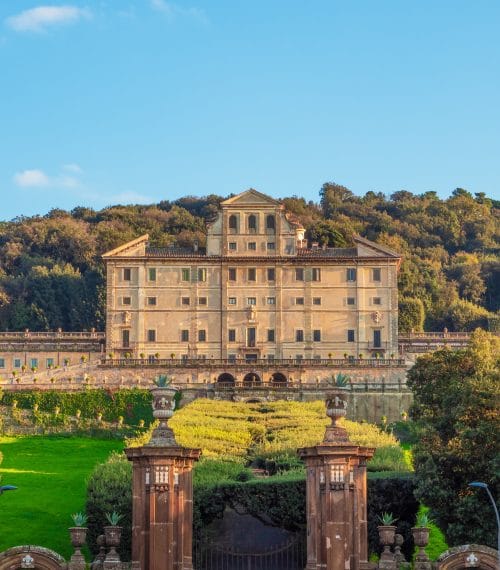
The Castelli Romani, in the hills southeast of Rome, offer a different way into Lazio. Here, towns and vineyards sit within a landscape shaped by volcanic history. Frascati is one of the best-known names, closely associated with local white wine.
The change of scale can be refreshing. A day begins to organise itself around a place, a conversation and a table.
Let the landscape into the glass
Wine becomes more interesting when you can connect it to the place producing it. In the Castelli, that includes volcanic ground, local growing conditions and the choices of individual producers.
Frascati’s white wines draw on grapes including varieties of Malvasia. Beyond the familiar name, there are differences worth exploring. The producer, the blend and the way a wine is made all matter.
I would resist arriving with a speech about what a wine from volcanic soil is supposed to taste like. Let the person making it explain their decisions. Then see what you notice for yourself.
The landscape gives context. Your palate still gets a vote.
A tasting is a conversation
You do not need a vocabulary full of improbable fruit to enjoy a visit. Begin with straightforward questions. Which grapes are in this bottle? What was different about the growing season? Why was the wine made this way? What would you serve with it?
If several wines are offered, compare them gently. Which seems fresher? Which feels fuller? Which would you most like to continue drinking with lunch?
There is room for technical knowledge, of course. There is also room for a clear personal preference. A good tasting can accommodate both without turning the table into a competitive sport.
If you plan to taste wine, arrange transport so that driving is already taken care of. It makes the day easier to enjoy.
Give one town your attention
Frascati sits on the slopes of Mount Tuscolo and offers a useful starting point for a day in the area. I would combine a planned winery visit with time in town and a meal, adjusting the order to the actual appointments and travel arrangements.
Contact the producer beforehand. A working winery has its own rhythm, and a visit needs to fit it.
There is no requirement to collect several towns and cellars in a single outing. One thoughtful encounter can give you more to remember than a procession of tasting rooms.
On the way back to Rome, notice what has changed in your sense of the region. Lazio may now include the winegrower’s explanation, the shape of a hill, and a flavour you can recognise.
That is what I enjoy about travelling through food and wine. The map gradually becomes something you understand with more than your eyes.